

An unanswered message, a sink full of dishes, or one more decision can sometimes feel like too much. You may look at the task and wonder why something so ordinary feels so difficult today.
A small task can feel harder when it arrives on top of an already demanding day. Before judging your reaction, consider what else is competing for your time and attention.
Start by looking at the demands around the task, then choose what needs your attention next. You can take an ordinary moment seriously without turning it into a judgment about your ability to cope.
Look at the whole day, not just the last task
The message may be the thing you notice, but it might not be the only thing weighing on you. You could also be juggling work, a late appointment, several unfinished chores, and plans that keep changing.
Ask yourself, “What have I already been handling today?” Include the planning and remembering, as well as the tasks other people can see.
You do not need to compare your day with anyone else’s to acknowledge that it feels full. Start with an honest picture of what is on your plate.
Take the list out of your head
If it feels useful, write down the tasks and decisions you keep returning to. A rough list on paper or your phone is enough.
Then separate what needs attention today from what can wait. Mark anything that needs another person’s input or help.
You do not have to solve the whole list in the moment you write it. The point is to see the demands clearly enough to choose among them.
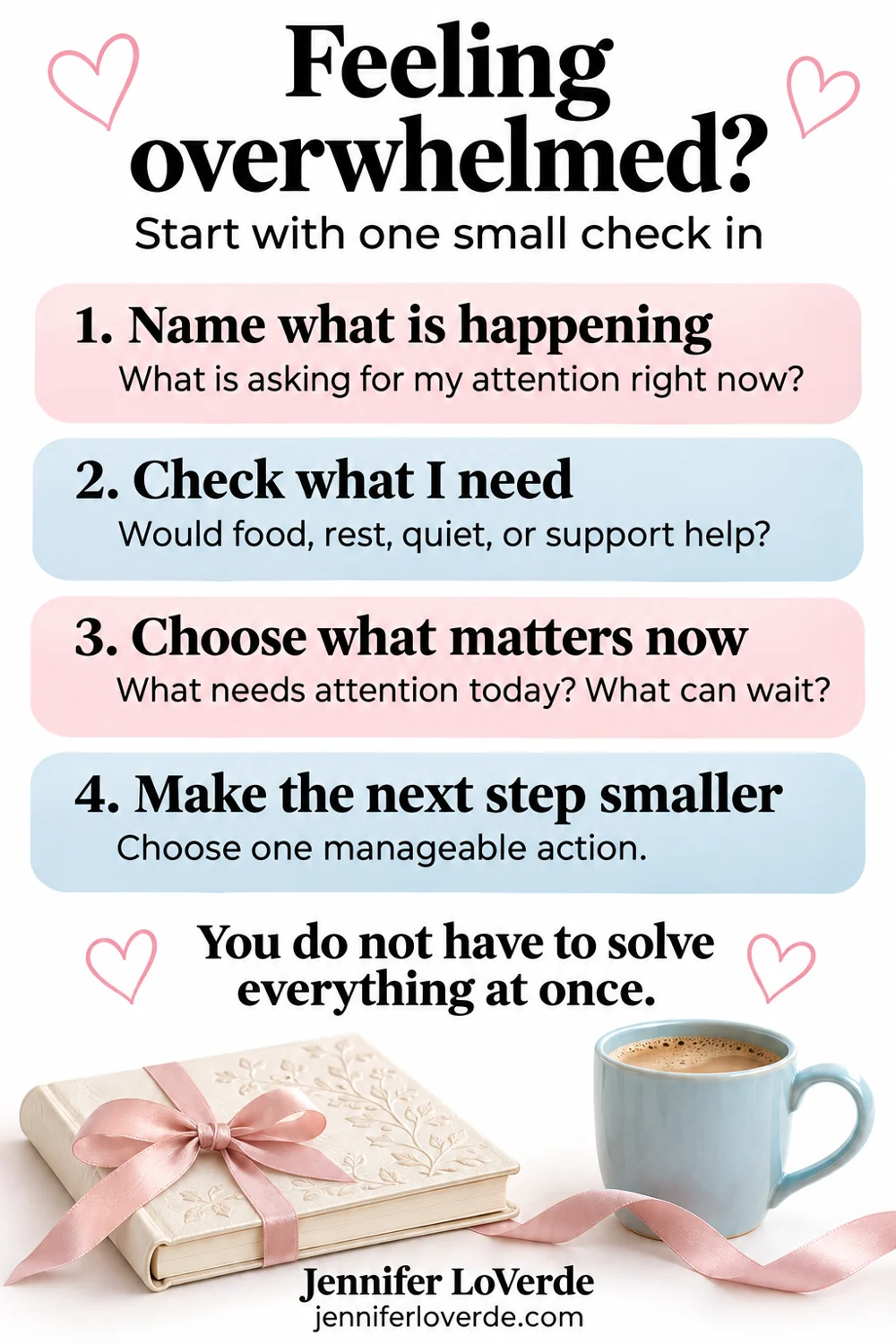
Shrink the next action
“Clean the house” contains many separate jobs. “Put the cups beside the sink” gives you one place to start.
The same approach can work for a message. Instead of composing a perfect reply immediately, you might decide when you can respond or send a brief acknowledgment if one is appropriate.
Choose an action with a visible finish. After you do it, decide whether to continue, pause, or move to a more important task.
A useful next step can be much smaller than the full problem. You are allowed to work with the time and attention available right now.
Reduce one optional demand
Look for something you can make simpler today. Dinner could be an easy meal you already know how to prepare, or a nonessential errand could move to another day.
If interruptions are making a task difficult, consider putting your phone aside for a short, practical window. Keep yourself available for anything you genuinely need to monitor.
You can also ask for specific help: “Could you handle the dishes while I finish this?” A clear request gives the other person something concrete to respond to.
Leave room for a brief pause
If your situation allows, step away from the list for a few minutes. Sit somewhere comfortable, have a drink, or look outside before deciding what comes next.
You do not have to make the pause productive or expect it to fix everything. It can simply be a moment without adding another task.
Notice what keeps repeating
When you have more space, look back at the circumstances. Do difficult moments often happen when plans change, several people need answers, or your day has no breaks?
Use what you notice to make one practical adjustment. You might leave more time between commitments, prepare a basic evening plan, or ask someone to share a recurring responsibility.
If feeling overwhelmed keeps interfering with everyday life, you can seek qualified support rather than trying to explain it through a blog post. You deserve help that takes your individual circumstances into account.
Choose what matters for the next few minutes
Ask yourself three simple questions: What needs attention first? What can wait? What is one action I can reasonably take?
The goal for this moment can be modest. Let the next decision be about what is workable, rather than what you think you should be able to handle all at once.
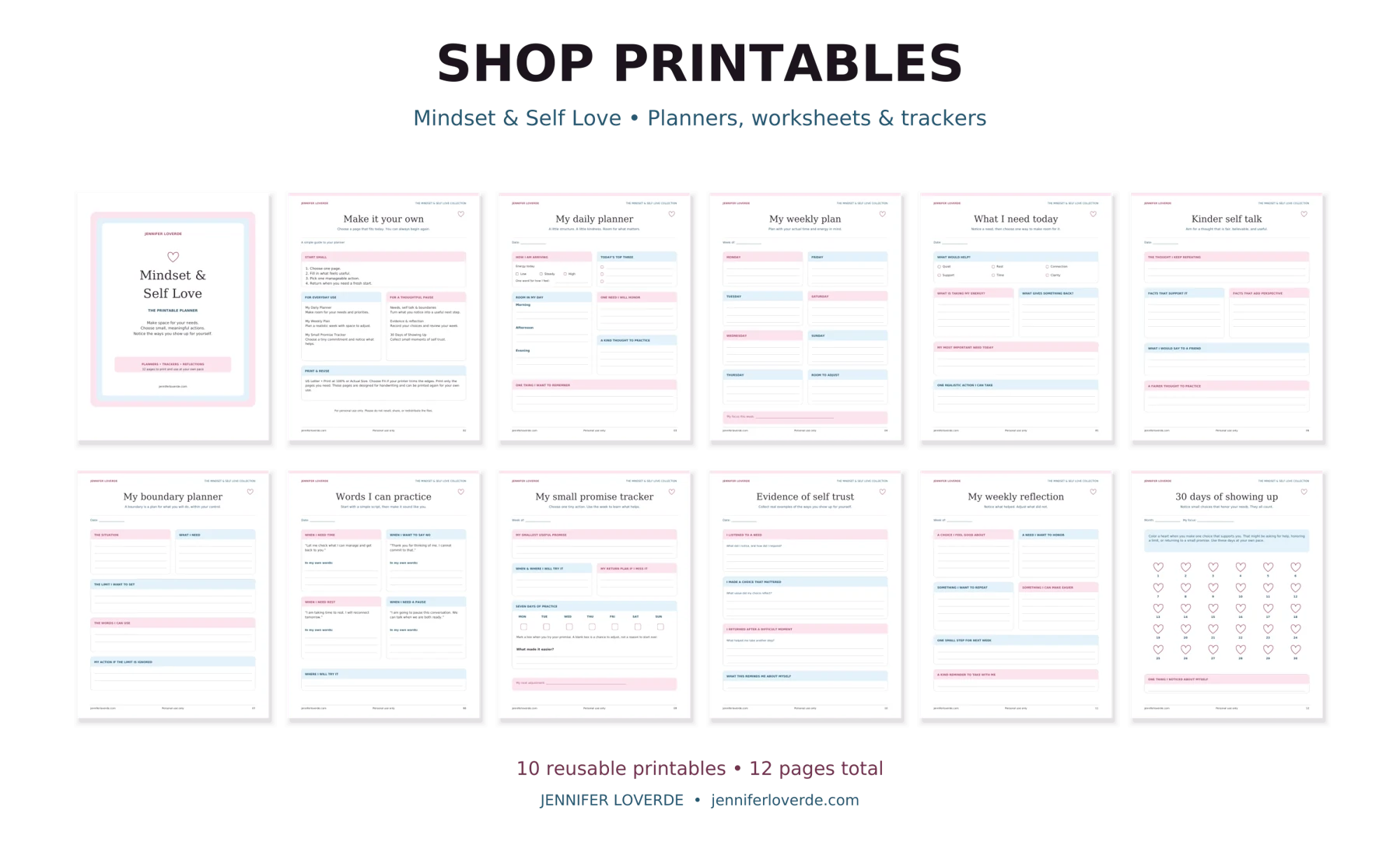
If you would like somewhere to sort what is asking for your attention, my Stress & Finding Calm Printable Bundle includes a stress check in, worry sorting, an overwhelm reset, and a calm menu you can make your own.

Leave a Reply